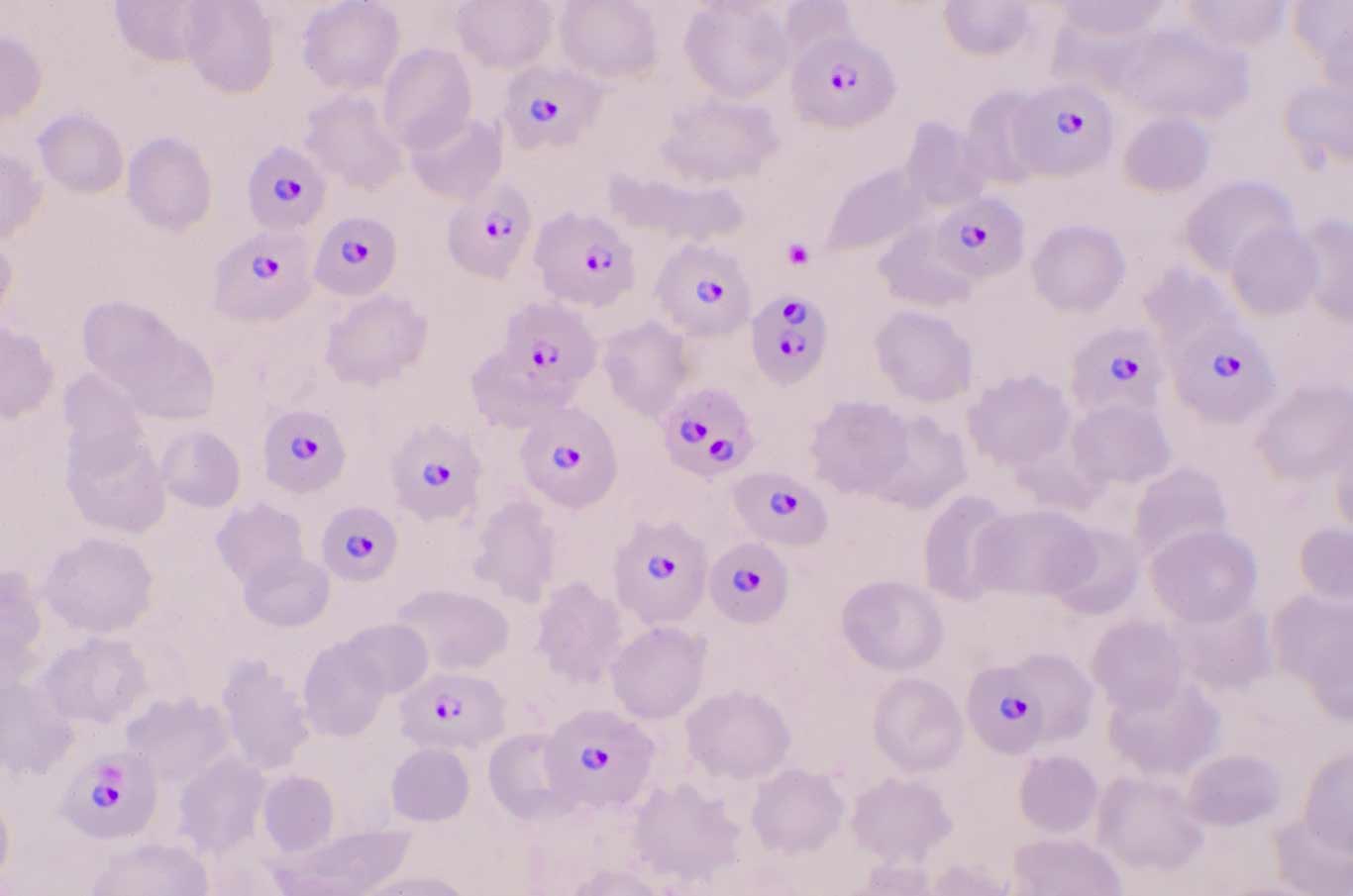
In 2024, the programme generated new knowledge and developed promising tools to reduce the burden of major viral and bacterial diseases.
Tackling bacterial resistance
We identified key proteins involved in the virulence and antibiotic resistance of Acinetobacter baumannii, a bacterial species classified as a priority by the WHO. As partners of the European BL-DetecTool project, we validated a new diagnostic tool that allows the rapid and reliable detection of antibiotic-resistant bacteria in clinical settings (1). Additionally, we developed several antibacterial compounds targeting multidrug-resistant bacteria, with patents granted for cyclic peptides and gold(III) complexes. Notably, some of these gold (III) complexes also show promise for treating viral infections, particularly adenovirus (2). Furthermore, we established new international collaborations for antimicrobial research, and formed a new CIBER group within the CIBERINFEC network.
Advancing tuberculosis detection and prevention
We validated a stool-based method for detecting the presence of M. tuberculosis in children and people with HIV, two groups for whom sputum samples are often difficult to obtain (3). Our research also provided evidence that prioritizing TB prevention and control efforts in prisons could help countries achieve their global TB targets (4).
Monitoring SARS-CoV-2 and other viruses
Since the start of the COVID-19 pandemic we have provided valuable insights into the immune response to SARS-CoV-2 and vaccination as new variants emerged, through studies in different cohorts including healthcare workers (5) and cancer patients (6). We have also strengthened genomic surveillance capacities for SARS-CoV-2 and other important viruses – including influenza, respiratory syncytial virus, mumps, measles, and arboviruses – to track their spread, evolution, and potential resistance to drugs and vaccines.
Identifying causes of child mortality
Through the minimally invasive tissue sampling (MITS) technique, we have continued investigating the leading causes of death among young children in LMICs as part of the CHAMPS network. Our findings revealed that meningitis has a greater impact on child mortality than previously thought (7) and that neurological symptoms are common in severely ill children with various diseases (8).
Accelerating diagnosis
We have made significant progress in developing rapid diagnostic tests for multiple viral and bacterial infections, including dengue, measles and hepatitis A. Notably, our X-Trem point of care test – which can identify febrile patients at highest risk of death in just 10 minutes- received the i4KIDS Accelerator Programme Award and EU funding to support further development and validation.
Demonstrating the impact of social programmes
Our health impact assessments highlight the crucial role of poverty reduction and primary healthcare in combatting infectious diseases. Brazil’s Bolsa Familia, one of the world’s largest conditional cash transfer programmes, has reduced TB incidence and mortality by over 60% (9) and HIV/AIDS cases and deaths by more than 50% (10), particularly among the most vulnerable individuals. Over the past two decades, the expansion of primary healthcare in four Latin American countries has prevented more than 300,000 child deaths (11), while social protection programmes across 46 LMICs have averted over 1 billion cases of undernourishment (12).
References
- Fernandez-Pittol M et al. J Clin Microbiol.
- Manzanero-Balsera M et al. Heliyon.
- Carratalà L et al. Lancet Microbe.
- Sequera G et al. Lancet Regional Health.
- Martin Perez C et al. BMC Med.
- Lazar F et al. Nat Commun.
- Mahtab S et al. J Infect.
- Ajanovic S et al. JAMA Network Open.
- Jesus GS et al. Nat Med.
- Silva AF et al. Nat Commun.
- Moncayo AL et al. Lancet Glob Health.
- Barreix G et al. Social Science & Medicine.